Whether your goal is to get a six pack, get strong for a sport, or get a body like Jay Cutler’s, the key to achieving your goals remains pretty much the same: pack on some lean muscle.
Even if you’re looking to lose weight and get “ripped”, you still need to pay attention to your lean muscle mass – lose too much weight too quickly, and you’ll end up looking small, skinny, and soft, which is not the look you’re going for!
Building lean muscle is simple. All you have to do is lift heavy weights, and eat the right foods in the right quantities. A lot of people manage the lifting bit, but end up burning out because they don’t see results after a few weeks. The lack of results is usually down to bad judgement in the kitchen, rather than in the weight room. Here’s a few tips to help you get things right in the kitchen.
Eat For the Body You Want, Not the Body You Have
Before you can figure out what you need to eat, you need to decide your goals. If you want to lose weight, you’ll have to eat differently to the way you’d eat if you wanted to pack on some lean muscle mass.
The first thing you need to do is figure out your current BMR (Base Metabolic Rate), and your maintenance calories (which is based on your BMR, and your usual daily activity level). Once you’ve worked that out, you can figure out how much you need to eat to achieve your goals. If you have a lot of weight to lose, start by eating around 500 calories fewer per day than your maintenance, this should lead to you losing about 1lb of weight per week, and most of that should be fat loss, rather than lean muscle loss.
If you have only a few pounds to lose, shoot for 250 calories fewer per day than your maintenance. This will lead to slower weight loss, but again, it should be mostly fat loss.
If you want to gain strength and “bulk up”, eat around 250-500 calories more than your maintenance each day, and try to eat a lot of protein.
Proteins, Carbohydrates and Fat
Proteins, carbohydrates and fat are the three “macro-nutrients” that make up your diet. The first thing you need to remember is that none of those macronutrients are the enemy. Fat doesn’t make you fat, and neither do carbs. The reason people think that carbs and fat are bad is because fat is so calorie dense, and carbohydrates are also calorie dense, and tend to not leave you feeling full for long. When you’re trying to lose weight, what matters is the number of calories you consume. Some foods are more satisfying, and therefore a better choice for someone on a calorie restricted diet, but no food is “evil”.
If you’re trying to gain strength and build muscle, then eating a lot of protein is a good idea. Chicken, turkey, tuna, and lean cuts of meat are all good choices. Snacking on nuts and cheese can also help with your protein intake. A good goal is 0.8g of protein per lb of lean body mass. If you’re struggling to reach that through food, try having a protein shake post-workout.
Don’t neglect vegetables, however. Green, leafy vegetables are a good source of nutrients, and very low in calories too. No matter what you’re training for, there’s a lot of value in a balanced diet.
This post was written by James Harper on behalf of Slimming.com who have great ideas to help you build lean muscle.
Even if you’re looking to lose weight and get “ripped”, you still need to pay attention to your lean muscle mass – lose too much weight too quickly, and you’ll end up looking small, skinny, and soft, which is not the look you’re going for!
Building lean muscle is simple. All you have to do is lift heavy weights, and eat the right foods in the right quantities. A lot of people manage the lifting bit, but end up burning out because they don’t see results after a few weeks. The lack of results is usually down to bad judgement in the kitchen, rather than in the weight room. Here’s a few tips to help you get things right in the kitchen.
Eat For the Body You Want, Not the Body You Have
Before you can figure out what you need to eat, you need to decide your goals. If you want to lose weight, you’ll have to eat differently to the way you’d eat if you wanted to pack on some lean muscle mass.
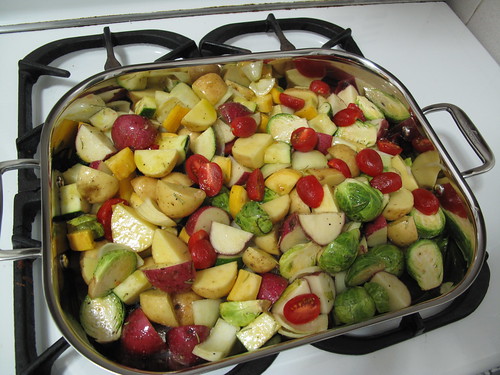 |
| Photo by: pdstahl |
If you have only a few pounds to lose, shoot for 250 calories fewer per day than your maintenance. This will lead to slower weight loss, but again, it should be mostly fat loss.
If you want to gain strength and “bulk up”, eat around 250-500 calories more than your maintenance each day, and try to eat a lot of protein.
Proteins, Carbohydrates and Fat
 |
| Photo by CleanseAndBlend |
If you’re trying to gain strength and build muscle, then eating a lot of protein is a good idea. Chicken, turkey, tuna, and lean cuts of meat are all good choices. Snacking on nuts and cheese can also help with your protein intake. A good goal is 0.8g of protein per lb of lean body mass. If you’re struggling to reach that through food, try having a protein shake post-workout.
Don’t neglect vegetables, however. Green, leafy vegetables are a good source of nutrients, and very low in calories too. No matter what you’re training for, there’s a lot of value in a balanced diet.
This post was written by James Harper on behalf of Slimming.com who have great ideas to help you build lean muscle.


